It Doesn't Take a Flood to Trigger a Crisis
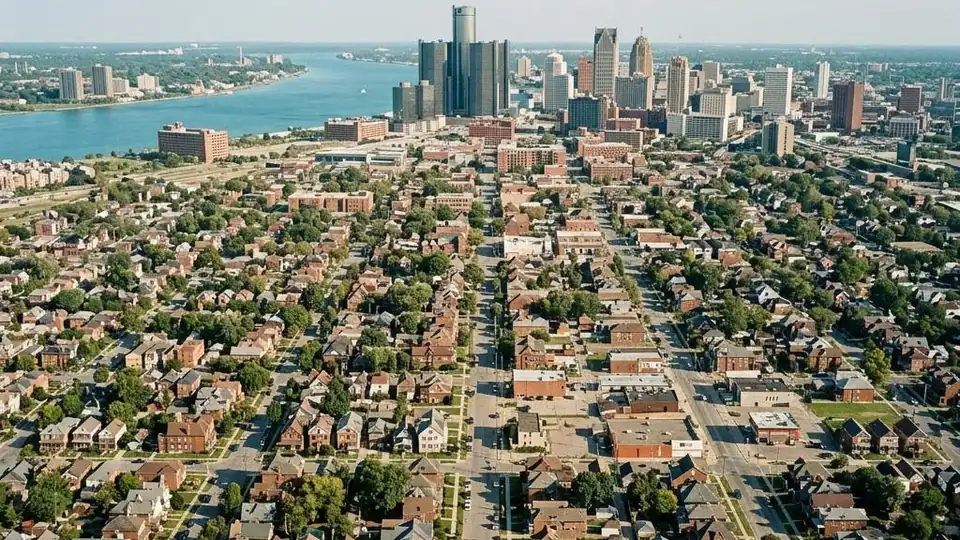
Most people think of mold as a slow problem. Something you notice in the corner of the bathroom after a few weeks of poor ventilation. That kind of growth is common and manageable. But there is a different category of mold infestation that demands immediate attention. It usually follows a burst pipe, a sewage backup, or a sudden roof leak. When water saturates porous materials like drywall, the clock starts ticking. Within 24 to 48 hours, mold can begin colonizing the damp surfaces. For property owners in Detroit, where older buildings and humid summers compound the risk, knowing how to handle an emergency mold removal situation can save thousands in repairs and prevent serious health issues.
In those first few days, the difference between a contained problem and a full-blown contamination is speed. You cannot treat this the way you would a slow-growing patch in a shower. The materials involved, the volume of moisture, and the potential for hidden growth inside wall cavities all make it a different beast. That is why professionals who specialize in water damage restoration and mold abatement approach these jobs with the same urgency as fire cleanup. They are not just cleaning a surface. They are stopping a biological chain reaction.
What Makes Mold an Emergency
Not every mold situation qualifies as an emergency. A little mildew on a grout line can wait until the weekend. But when you have standing water that has soaked into drywall, carpet, or wood framing, you are past the point of prevention. The spores that are already airborne will find new places to settle. If the space is enclosed, like a crawl space or an attic with poor attic ventilation, the humidity stays high and the mold spreads faster. The fungus most people worry about, Stachybotrys chartarum, often called black mold, thrives in these persistently wet conditions. It does not just stain surfaces. It produces mycotoxins that can trigger serious respiratory reactions, especially in people with a mold allergy or asthma.
When you call for emergency mold removal, you are not just asking someone to wipe down a wall. You are asking them to assess the extent of moisture intrusion, contain the affected area so spores do not travel to clean zones, and remove or treat every contaminated material. The goal is to bring the indoor environment back to a safe baseline as quickly as possible. Delaying even by a day can turn a single-room issue into a house-wide problem, because the HVAC system can pull spores from the affected room and distribute them everywhere.
Why Bleach Is Not the Answer
A common first instinct is to reach for bleach. It is a strong disinfectant, and it kills many bacteria and viruses on hard, non-porous surfaces. But on porous materials like drywall, wood, or fabric, bleach does not penetrate deep enough to kill the roots of the mold. The surface may look clean, but the mold will grow back. Worse, bleach is corrosive and can damage the materials it is meant to protect. In a professional setting, products like sporicidin or concrobium are used instead. These are fungicides designed to soak into porous surfaces and prevent regrowth. They also tend to be safer for the occupants and the environment when applied correctly.
Bleach also releases fumes that can irritate the lungs, which is a real concern when you are already dealing with airborne mold spores. An air scrubber equipped with a HEPA filter can help capture those spores during the cleanup process. The combination of HEPA filtration and negative air pressure inside the work zone keeps the problem from spreading to the rest of the building. This is standard practice in professional remediation, not optional equipment.
Assessing the Damage and Setting Up Containment
Before anyone starts pulling wet drywall, the team must set up containment barriers. These are plastic sheeting walls that seal off the affected area from the rest of the building. Inside that zone, they run an air scrubber and create negative air pressure, meaning air flows into the work area but not out of it. This prevents spores from drifting into hallways, bedrooms, or the HVAC system. Without containment, the act of removing moldy materials can actually make the air quality worse by releasing a cloud of spores into the rest of the home.
Once containment is in place, the next step is to identify every piece of material that is too wet to save. Drywall that has been wet for more than 48 hours is almost always a loss. The paper facing is a perfect food source for mold, and the gypsum core holds moisture for weeks. Carpet padding and insulation also trap moisture and are usually discarded. The structural framing, like wood studs and joists, can often be saved if it is dried quickly and treated with a fungicide. But that requires professional drying equipment, not just opening a window. Dehumidifiers and air movers need to run continuously until moisture readings return to normal.
The Role of the Building Envelope
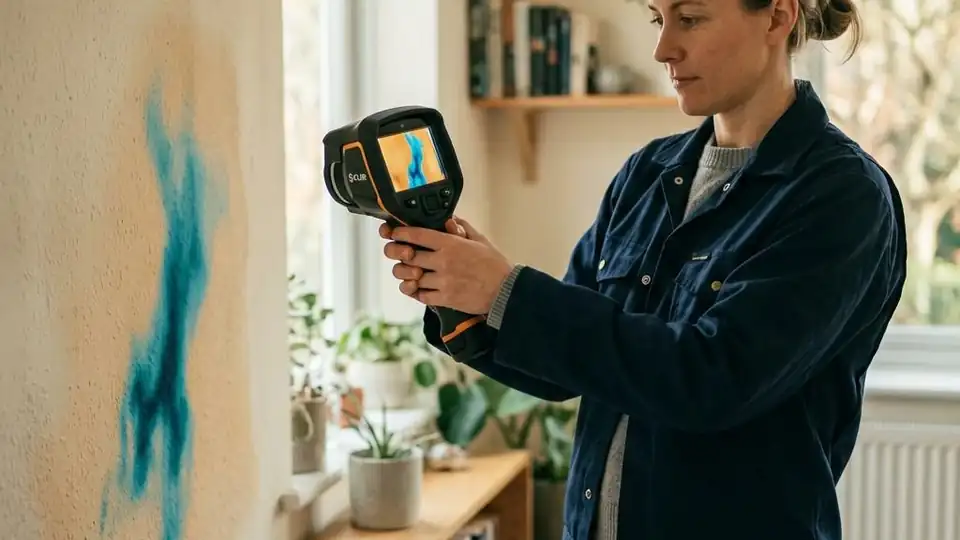
In older Detroit homes, the building envelope is often compromised. That means the outer shell of the house, the walls, roof, windows, and foundation, leaks air and moisture more than it should. When a sudden leak happens, the water does not always stay where you can see it. It can travel along the inside of wall cavities, soaking into framing and insulation in hidden areas. By the time you see a stain on the ceiling, the mold may already be growing inside the wall. That is why emergency mold removal has to include a thorough inspection of hidden cavities, using moisture meters and sometimes small inspection holes. The visible damage is only part of the story.
Fixing the source of the water is just as important as removing the mold. If you clean up the mold but do not repair the leak or improve the drainage, you will be right back where you started. The best remediation companies work with contractors who can address the root cause, whether it is a failed roof flashing, a cracked foundation, or a gutter that overflows into the crawl space.
Health Risks and the Need for Speed
The mycotoxins produced by Stachybotrys chartarum are a serious concern, but they are not the only risk. Even common molds can trigger a mold allergy response that ranges from mild sneezing to severe asthma attacks. For people with compromised immune systems, exposure to large amounts of mold spores can lead to respiratory infections. The EPA and OSHA both have guidelines for mold remediation, and they emphasize that porous materials contaminated with mold should be removed and discarded, not cleaned. The EPA does not recommend testing for mold type in most cases, because the presence of any mold in large quantities is a health hazard. But if you see black or dark green growth on drywall or wood, you can assume it is producing spores that you do not want to breathe.
That is why emergency mold removal is not a task for a homeowner with a spray bottle. The protective gear required, including N-95 respirators, gloves, and eye protection, is not something most people have on hand. And without proper containment, you can spread the mold to every room in the house while trying to clean one room. Professional crews understand how to sequence the work so that the contamination is removed safely and the space is left dry and clean.
What to Expect During a Fast Response
When you call for help with a water damage emergency, the first thing a good company will do is stop the water source if it is not already stopped. Then they will extract standing water and set up drying equipment. The next step is to assess which materials can be saved and which must be cut out. The removal of wet drywall and insulation is often done within the first day. After that, the drying process begins, and it can take several days depending on the extent of the moisture. Only once the space is completely dry do they apply the fungicide and begin rebuilding.
Throughout that process, they monitor the humidity and moisture levels to make sure the environment is no longer hospitable to mold. A dehumidifier running in the background is not enough. You need enough air movement and drying capacity to bring the space down to normal indoor humidity levels, typically below 50 percent. If the crawl space or basement is the problem, improving ventilation may be part of the long-term solution. Simple steps like adding attic ventilation or sealing the crawl space from ground moisture can prevent future issues.

For anyone facing this kind of emergency, the most important thing is to act fast. The longer wet materials sit, the more they cost to replace and the harder the mold is to control. Whether your property is a single-family home or a commercial building, the principles are the same. Remove the water, dry the structure, remove the contaminated materials, and treat the remaining surfaces. That is the blueprint for emergency mold removal, and it works when it is done quickly and thoroughly.
If you own a property in Detroit and you are dealing with a sudden water intrusion, do not wait to see if the mold will go away on its own. It will not. The cost of a fast professional response is almost always lower than the cost of a full renovation later. And your health, and the health of anyone living or working in that space, depends on getting the air quality back to normal as soon as possible.